

Buying a property is one of the biggest financial decisions most people make. But completing the purchase does not end with selecting the right home. Property registration in Maharashtra is a crucial legal step that formally records the transaction and helps establish the buyer’s interest in the property.
Whether you are purchasing a new apartment, resale flat, plot, commercial property or another form of immovable property, understanding the property registration process in Maharashtra can make the transaction smoother and help you avoid unnecessary delays. This guide explains how to register property in Maharashtra, the documents required, stamp duty and registration charges, the role of the Sub-Registrar, the registration process and important precautions for homebuyers.
Legal note: Stamp duty, registration charges, government procedures and applicable rules can change. The information below is intended for general awareness and should be verified with the Maharashtra Registration & Stamps Department or a qualified property professional before completing a transaction.
What Is Property Registration?
Property registration is the legal process of recording a property transaction with the appropriate government registration authority.
For transactions involving immovable property, registration provides an official record of the document and transaction. Under Section 17 of the Registration Act, 1908, specified instruments affecting rights in immovable property are subject to compulsory registration.
In Maharashtra, property registration is handled through the Department of Registration & Stamps, Government of Maharashtra, which is responsible for registration of documents and collection of stamp duty.
Why Is Property Registration Important?
Property registration is important because it creates an official record of the transaction.
For a homebuyer, registration helps:
- Record the property transaction with the government
- Establish documentary evidence of the transaction
- Create a formal record of the buyer’s rights under the registered instrument
- Support future sale, transfer or financing transactions
- Reduce uncertainty regarding the transaction
- Provide an important document for future ownership-related requirements
A registered document should also be preserved carefully along with the property’s other title and transaction documents.
Property Registration Process in Maharashtra: Step by Step
The registration process can be broadly understood through the following stages.
Step 1: Verify the Property Documents
Before paying a substantial amount or proceeding with registration, conduct a thorough property title and document verification.
Depending on the type of property, documents may include:
- Previous sale deeds
- Agreement for Sale
- Title documents
- Property card
- 7/12 extract, where applicable
- Mutation records
- Approved building plans
- Commencement Certificate
- Occupancy Certificate, where applicable
- RERA-related documents for applicable projects
- Society-related documents for resale properties
- Encumbrance-related records
- Property tax records
For a new residential project, buyers should also review the developer’s project documentation and applicable approvals.
Registration is not a substitute for title due diligence. A buyer should understand the property and transaction before signing the final document.
Step 2: Finalise the Agreement and Transaction Details
Once the property and transaction have been verified, the buyer and seller/developer finalise the applicable agreement or conveyance document.
The document should accurately mention details such as:
- Names of parties
- Property address
- Flat or unit number
- Carpet area or applicable property measurement
- Survey/CTS details, where relevant
- Consideration amount
- Payment schedule
- Parking details, where applicable
- Possession details
- Rights and obligations of the parties
- Other applicable terms
Accuracy is important because errors in property identification or party details can create complications later.
Step 3: Calculate Stamp Duty and Registration Charges
One of the most important financial aspects of property registration is determining the applicable stamp duty and registration charges.
The amount can depend on factors such as:
- Property location
- Property type
- Transaction value
- Applicable government valuation
- Nature of the transaction
- Applicable concessions or provisions
- Buyer-related factors where provided under prevailing law
The applicable amount should be checked using current Maharashtra government rules and official systems rather than relying on outdated online calculators.
The Maharashtra Registration & Stamps Department provides government registration services and related information.
Step 4: Pay the Applicable Stamp Duty
Stamp duty is a statutory charge associated with the applicable instrument.
The payment process and available modes can depend on the transaction and prevailing Maharashtra procedures.
Buyers should ensure that:
- The correct document is selected
- The correct property and transaction details are entered
- The applicable duty is calculated correctly
- Payment records are preserved
- The details on the payment documentation match the transaction
A discrepancy in the transaction details can result in delays or the need for correction.
Step 5: Prepare the Registration Document
The final document should be carefully reviewed before execution.
Check:
- Spelling of names
- PAN and identity details, where applicable
- Property description
- Flat/unit number
- Carpet area
- Survey or CTS number
- Consideration amount
- Payment details
- Parking information
- Possession terms
- Signatures and initials
- Annexures and schedules
Do not treat the registration appointment as the first time you read the document.
Read the complete document before signing it.
Step 6: Schedule or Initiate the Registration Appointment
The parties must complete the applicable registration procedure through the relevant registration authority.
The Maharashtra Registration & Stamps Department provides online and citizen-facing registration-related services.
Depending on the transaction and current procedure, the parties may need to provide details online and/or attend the appropriate registration office.
Step 7: Visit the Sub-Registrar Office
The parties and other required persons attend the appropriate registration office with the necessary documents and identification.
The registration authority verifies the relevant information and carries out the statutory registration process.
Depending on the transaction, the process can involve:
- Verification of identity
- Verification of documents
- Confirmation of execution
- Photographs
- Biometric authentication
- Signatures
- Witness verification, where applicable
- Registration of the instrument
The exact procedure may vary based on the type of document and prevailing government requirements.
Step 8: Complete Biometric and Authentication Formalities
For applicable transactions, the parties may be required to complete biometric and identity-verification formalities.
This is an important stage because the registration authority must establish the identity and participation of the relevant parties.
Buyers should carry valid original identification documents and any additional documents specified for the transaction.
Step 9: Obtain the Registered Document
Once the document is successfully registered, the registered instrument becomes an important part of the property’s legal records.
Keep the registered document safely and maintain digital backups where appropriate.
It can be required for:
- Future sale
- Home loan documentation
- Property-related applications
- Mutation or record updates
- Society or association records
- Tax-related purposes
- Establishing documentary evidence of the transaction
Documents Required for Property Registration in Maharashtra
The exact document list varies according to the property and transaction. However, buyers may commonly need:
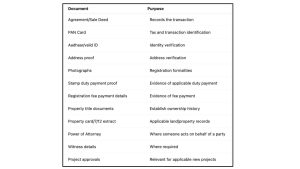
Additional documents may be required depending on whether the property is a new apartment, resale property, plot, commercial unit, inherited property or another type of transaction.
Who Needs to Be Present During Property Registration?
The persons required to attend can depend on the nature of the document and the applicable registration procedure.
Generally, the parties executing the document need to complete the required formalities. Where witnesses, authorised representatives or powers of attorney are involved, additional requirements may apply.
Before the appointment, confirm the exact attendance and documentation requirements with the relevant registration authority or professional handling the transaction.
Where Is Property Registered in Maharashtra?
Property documents are registered through the appropriate registration authority based on the location and applicable jurisdiction.
The Registration Act contains provisions concerning the place of registration for documents relating to immovable property.
For a Pune property, for example, the relevant registration jurisdiction should be established based on the property’s location rather than simply choosing an office based on convenience.
How Much Does Property Registration Cost in Maharashtra?
The total cost of registering a property generally includes stamp duty and registration fees, along with other transaction-related professional or administrative expenses where applicable.
There is no single registration cost applicable to every property.
The applicable amount can vary based on:
- Location
- Property value
- Government valuation
- Property type
- Type of document
- Applicable concessions
- Current Maharashtra government rules
Because rates and rules can change, buyers should check the current official Maharashtra government information before making payment.
Ready Reckoner Value and Property Registration
The government valuation of a property is an important consideration when calculating applicable stamp duty.
Maharashtra uses government valuation mechanisms, including Ready Reckoner/Annual Statement of Rates (ASR) information, for property-related valuation purposes.
This means that buyers should not assume that stamp duty will always be calculated simply on the negotiated purchase price.
The applicable valuation and duty should be confirmed for the specific transaction and location.
Property Registration for New Flats
For buyers purchasing a new flat from a developer, property registration is generally part of the formal process of documenting the buyer’s rights in the property.
Before registration, buyers should review:
- Agreement for Sale
- Project registration details, where applicable
- Unit details
- Carpet area
- Payment schedule
- Parking terms
- Possession provisions
- Amenities and specifications
- Applicable approvals
- Developer-related documentation
A homebuyer should ensure that the details in the registration document correspond with the agreed transaction.
Property Registration for Resale Flats
Resale property transactions require additional attention because the buyer is acquiring property with an existing ownership history.
Before registration, consider checking:
- Previous registered sale deed
- Seller’s ownership
- Chain of title
- Society share certificate, where applicable
- Society dues
- Property tax
- Existing mortgage or loan
- Encumbrances
- Pending disputes
- Building approvals
- Occupancy-related documents
- Property card/revenue records where applicable
A proper title review is particularly important in resale transactions.
Property Registration for a Home Loan
If the property is being purchased using a home loan, the buyer will have additional documentation and coordination requirements involving the lender.
The lender may require:
- Property title documents
- Agreement for Sale
- Registration documents
- KYC documents
- Property valuation
- Legal opinion/title report
- Other loan-related documentation
Buyers should coordinate with the lender, developer or seller and registration professional to ensure that the registration timeline aligns with loan disbursement requirements.
What Happens After Property Registration?
Registration is an important milestone, but buyers may still need to complete other property-related formalities.
Depending on the property, these can include:
Mutation or record updates
Applicable land or revenue records may need to be updated according to the relevant procedure.
Society records
For apartments in a housing society, the buyer may need to complete society-related ownership or membership formalities.
Utility connections
Electricity, water and other service records may need to be updated.
Property tax records
The relevant municipal or local authority records may need to be updated where applicable.
Loan documentation
The registered document may need to be submitted to the lender as part of the home-loan process.
Common Mistakes to Avoid During Property Registration
1. Not verifying the title
Registration does not eliminate the need for due diligence.
2. Using outdated stamp-duty information
Government rates and procedures can change. Always verify current information.
3. Not reading the final document
Do not assume that the final document is identical to an earlier draft.
4. Incorrect property details
A wrong flat number, survey number, area or property description can cause complications.
5. Ignoring additional charges
Budget for stamp duty, registration fees, legal review, documentation and other applicable expenses.
6. Missing the registration appointment
Coordinate all parties and required documents in advance.
7. Failing to preserve the registered document
Keep physical and secure digital copies of important property records.
8. Assuming registration completes every property formalisation
Depending on the property, additional mutation, society, municipal or revenue formalities may still be required.
Property Registration Checklist for Homebuyers
Before completing registration, make sure you have reviewed:
- Seller/developer ownership and title
- Property documents
- Agreement for Sale
- Property description
- Carpet area and unit details
- Consideration amount
- Payment schedule
- Applicable stamp duty
- Registration fee
- Identity documents
- PAN details
- Witness requirements
- Loan documentation, if applicable
- Registration appointment
- Final document before signing
- Post-registration record updates
- Safe storage of registered documents
Frequently Asked Questions About Property Registration in Maharashtra
How do I register a property in Maharashtra?
The general process involves verifying the property, preparing the applicable document, calculating and paying stamp duty and registration charges, completing the required registration formalities at the appropriate registration authority and obtaining the registered document.
Is property registration mandatory in Maharashtra?
Where the transaction/document falls under the compulsory-registration provisions of the Registration Act, registration is mandatory. Section 17 covers specified instruments affecting rights in immovable property.
What documents are needed for property registration?
Common documents include the agreement or sale deed, identity and PAN documents, photographs, payment details and relevant property/title documents. The exact list depends on the transaction.
How much stamp duty is payable on property in Maharashtra?
The applicable stamp duty depends on the property, transaction, location, valuation and prevailing Maharashtra rules. Buyers should verify the current applicable amount before payment.
Can property registration be completed online?
Maharashtra provides online citizen-facing services related to registration, but the exact extent of online processing depends on the document and current government procedure. Some transactions require physical attendance and authentication at the registration office.
Is registration the same as mutation?
No. Registration records the applicable property transaction/document with the registration authority. Mutation or updating revenue/property records is a separate process where applicable.
Can I register a property without a home loan?
Yes. A property can be purchased without financing, subject to completing the applicable transaction and registration requirements.
What should I check before registering a property?
Buyers should verify title, ownership, property documents, approvals, transaction terms, property description, applicable stamp duty and registration charges, and any existing encumbrances or liabilities.
Final Thoughts
Property registration in Maharashtra is an essential part of completing a property transaction. But a smooth registration begins well before the appointment at the Sub-Registrar’s office.
For homebuyers, the best approach is to combine title verification, document due diligence, accurate paperwork, correct calculation of statutory charges and careful review of the final agreement.
If you are buying a home in Pune, understanding the registration process can help you approach the transaction with greater clarity and confidence.
At Goel Ganga Developments, the journey towards a new home is about more than choosing a property. It is about making an informed decision backed by clarity, quality and confidence.
Choose your home with confidence. Understand the process. Plan your purchase wisely.
Disclaimer: This article is for educational and informational purposes only. Property laws, government charges, registration procedures and documentation requirements may change. Buyers should verify the latest requirements with the Maharashtra Registration & Stamps Department and consult a qualified legal/property professional for transaction-specific advice.